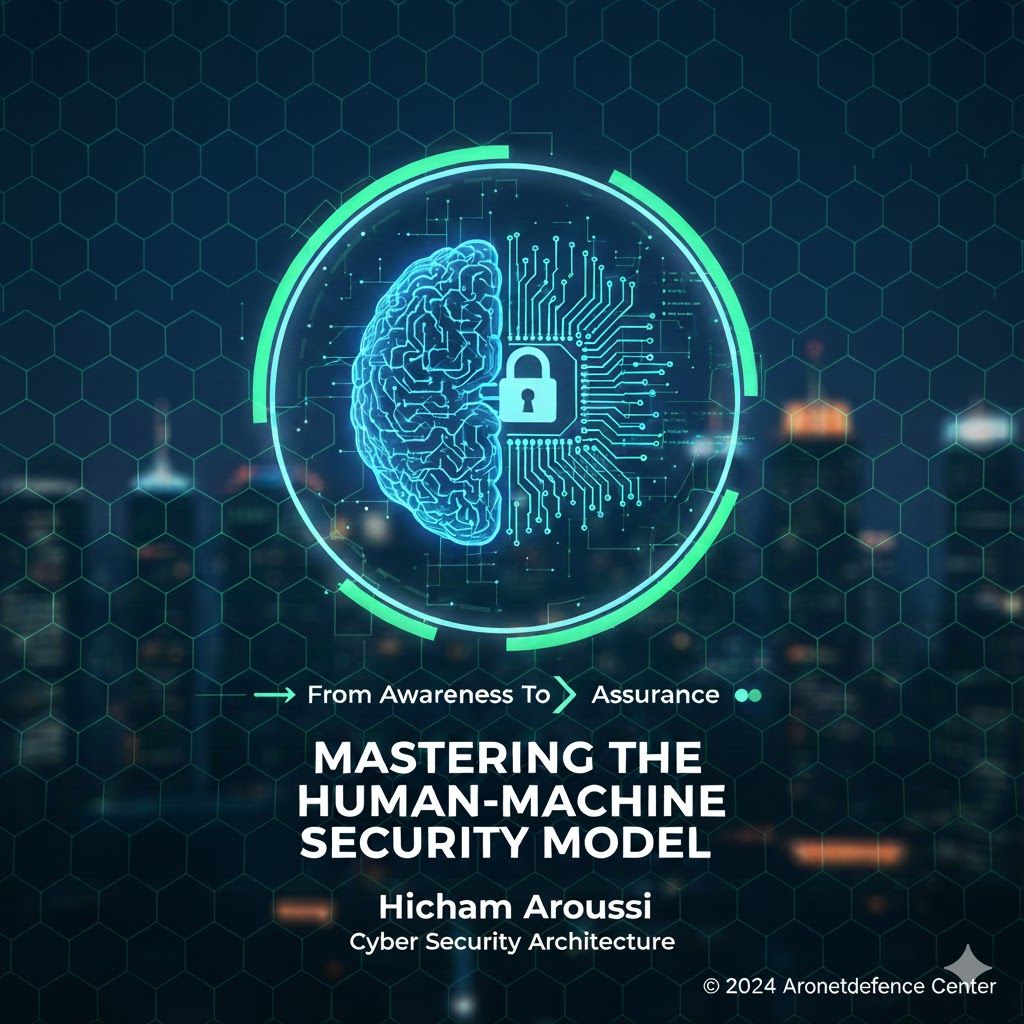
From Awareness to Assurance: Mastering the Human-Machine Security Model
Strategic Insight: Evolving Security from Compliance to Collaborative Risk Management
The modern security landscape demands more than annual compliance training. In organizations committed to innovation and people development, we must shift our focus from generic "security awareness" to proactive, real-time "human risk management."
A key theme emerging across high-growth enterprises is the convergence of human factors and technological defences—a concept I call the Human-Machine Security Model.
Why the Old Model Fails
Traditional security awareness relies on mandated video modules and phishing simulations delivered once a year. This approach often treats employees as the weakest link and results in:
Training Fatigue: Generic content is easily forgotten.
Reactive Posture: Training only occurs before an incident or far removed from the actual moment of risk.
No Measurable Impact: It’s impossible to directly link completed training to a reduction in real-time exposure.
The Core Concept: Human-Machine Collaboration
The Human-Machine Security Model transforms security intervention into a collaborative, AI-driven coaching opportunity. It aligns security perfectly with a "people development" culture by treating the human as the first line of defence that needs support, not punishment.
Here’s how it works:
AI as the Engine: We leverage existing security investments (like Microsoft 365 Defender, Azure AD, DLP tools) to feed real-time, behavioural data into an analytics platform.
Risk Identification: The system continuously analyses this data to identify risky behaviours—an employee saving sensitive data to a personal cloud drive or repeatedly ignoring MFA prompts.
Real-Time Coaching: Instead of blocking the user or sending a generic email, the AI intervenes directly in the user's workflow. The employee receives a personalized, AI-generated "nudge" or coaching moment directly in Teams or email explaining the risk at the moment they are about to act.
Measurable Improvement: This intervention helps the human make a safer decision in real-time, turning a moment of risk into a moment of learning. This engagement is measurable, allowing the security team to focus on true behavioural outliers.
The Strategic Value
This approach is not just innovative; it’s strategic:
Human-Centricity: It replaces blame with coaching, fostering a culture where employees see security as a helpful partner, not an obstacle.
Innovation: It demonstrates a forward-thinking approach by applying AI/ML to solve the most persistent problem in security.
Value Optimization: It maximizes the investment in existing security tooling (e.g., Microsoft stack) by using its data streams for organizational change.
By shifting our focus to human risk management, we move security from a compliance checkpoint to an essential, business-enabling function that proactively protects the organization through collaborative intelligence.
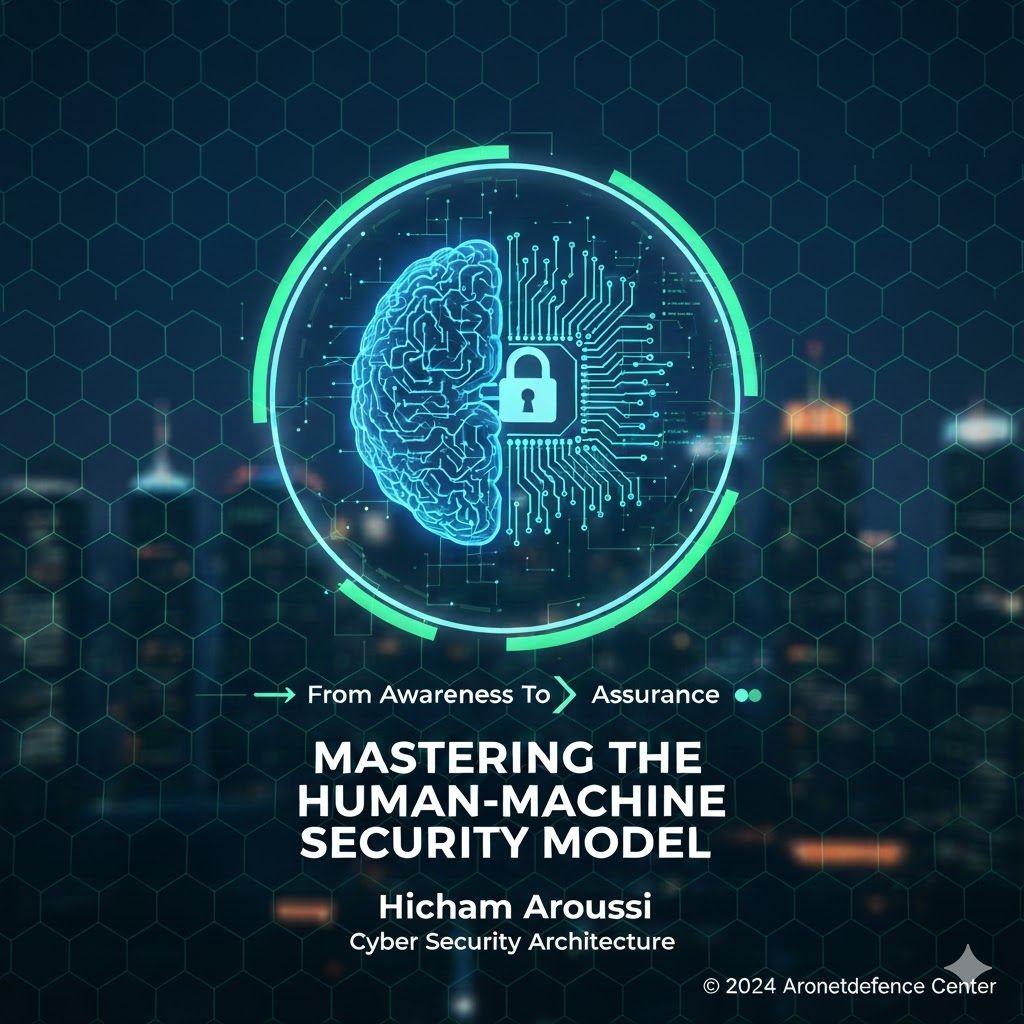
The New Perimeter: Architecting the Supply Chain Security Ecosystem
In today's highly digitized and globally interconnected economy, no organization is an island. While technology advances have driven exponential business value, they have simultaneously connected us to an interdependent network of risk. The modern security challenge is clear: attackers often find it easier to exploit vulnerabilities in your suppliers than to attack your business directly.
For leaders concerned with mitigating risk across complex business groups and global operations, managing the security posture of the supply chain is no longer an optional compliance exercise—it is a core strategic function.
The Evolving Risk Landscape
The global supply chain introduces multifaceted threats that go far beyond standard data breaches:
Confidentiality and Access Risk: Attackers increasingly target the identity used to control access to third-party services. A common vector is Multi-Factor Authentication (MFA) Push Exhaustion attacks, where users are relentlessly targeted until they relent and grant malicious access.
Integrity of Product (OT/ICS Risk): Compromise can be introduced deep within the infrastructure layer. Malware, such as Pipedream, targets Industrial Control Systems (ICS) and Programmable Logic Controllers (PLC) to disrupt, degrade, or even destroy systems by forcing controlled machinery to operate dangerously.
Varying Cyber Maturity: Even for large organizations with mature procurement, the cyber maturity of suppliers—especially Small to Medium Businesses (SMBs)—varies widely, presenting a serious collective vulnerability.
The Strategic Imperative: A Principle of Shared Common Interest
Spending time and money defending your own network while leaving key suppliers to their own devices is unsustainable. The strategic solution is to transition from an adversarial, demand-driven relationship to a collaborative model:
Establish a Principle of Shared Common Interest. This means defining a concept of shared risk that is managed to mutual advantage. Instead of viewing suppliers as outside entities requiring combativeness, we must make the case for a "big tent" approach. This involves bringing priority suppliers in close—safely in the tent, working with you, not outside looking in while you suffer.
This collaborative approach requires:
Proactive Engagement: Setting the tone for discussions by establishing a Security Working Group with selected suppliers to govern effective information exchange.
Proportionate Measures: Applying reasonable security measures that are proportionate to the contract and the risk involved, recognizing that excessive reporting or unrealistic metrics benefit no one.
Mutual Defence Pacts: Increasingly, organizations are engaging in "mutual defence pacts" where they agree to share expertise and resources to help each other respond to an incident, solidifying the idea of mutual benefit.
Driving Corporate Value and Resilience
Investing in this proactive, risk-led approach yields significant returns beyond basic threat mitigation:
Improved Corporate Digital Responsibility (CDR): By demonstrably investing in better security risk management, Boards signal commitment to CDR. This strengthens corporate reputation, helps attract external investment, and aids in retaining talent.
Better Compliance and Maturity: Proactively managing supply chain risk helps simplify compliance efforts for regulations like GDPR and standards such as ISO. It demonstrates a higher level of maturity to regulators.
Reduced Cost: Organizations that demonstrate proactive management of supply chain risk may enjoy a reduced cyber insurance premium or unlock access to a higher level of coverage.
Better Readiness: Understanding threats on paper is helpful, but practicing reaction and recovery with priority suppliers ensures you are better equipped to respond effectively when a real incident happens.
Effective supply chain risk management is an ongoing process of continual assessment. By setting the right context, proactively assessing risks , and fostering a culture of continuous improvement, organizations can transform their supply chain from a point of vulnerability into a powerful, mutually defended ecosystem.
The Blueprint: Four Pillars for Actionable Cyber Supply Chain Risk Management
We know the modern supply chain is the new perimeter, and collaboration is the key to resilience. But how do executive insights translate into practical, measurable security programs?
Effective Cyber Supply Chain Risk Management (SCRM) is not a static compliance checklist; it's a dynamic, four-pillar framework designed to bring critical suppliers safely "in the tent" and align security directly with business strategy. Our goal is to shift security from a defensive burden to a genuine business enabler across the ecosystem.
1. Setting the Right Context: Aligning Risk with Mission
The foundational mistake in SCRM is treating all suppliers equally. Before assessment begins, security must be tied directly to the business mission.
Define Criticality: Determine which suppliers—whether manufacturers, distributors, or managed service providers—pose the greatest integrity (product corruption) or confidentiality (data breach) risk to your core operations.
Establish a Baseline: The security requirements assigned must be proportionate to the contract's value and the data's sensitivity. We must recognize that applying a global standard to a small, low-risk vendor is both inefficient and counterproductive to partnership.
Strategic Profile: Action Example: Following models like the UK's Defence Cyber Security Model (CSM), assign a specific 'cyber profile' to each supplier that reflects the exact level of risk they introduce, ensuring resources are focused where they matter most.
2. Assess and Take Control of Your Exposure
Once the context is set, the priority shifts to gaining transparency over the actual exposure introduced by priority partners.
Go Beyond Questionnaires: True control comes from assessing the risks inherent in the solution itself (e.g., specific software components, cloud architecture, or OT sub-systems), not just their policies.
Demand Visibility: Security teams must demand and review artifacts that provide genuine visibility, such as architecture diagrams and security control documentation, to validate claims.
Focus on the Attack Surface: Take control of your exposure by clearly defining what data or systems a supplier is permitted to access and ensuring their security controls are validated against that specific exposure.
3. Check How Risks Are Managed (The Collaborative Step)
The most successful supply chain programs embody the "Principle of Shared Common Interest"—emphasizing coaching over compliance reporting.
Continuous Monitoring is Imperative: Relying solely on an annual review is insufficient. Implement tools and processes for continuous monitoring of external attack surfaces. This allows us to move from reactive compliance reporting to proactive risk detection.
Coaching, Not Penalty: When risks are identified, the focus must be on coaching and enablement. For critical suppliers, this may involve providing resources or expertise to help them meet the required cyber profiles, viewing it as mutual uplift.
Involve the C-Suite: Managing supply chain risk is not just an IT task. Procurement, Legal, and Business Leadership must be involved from the outset to ensure the risk assessment is enforceable and aligns with overall business goals.
4. Aim for Continuous Improvement: The Assurance Model
A mature SCRM program views compliance not as a final goal, but as a stepping stone toward Assurance.
Practice and Readiness: True resilience is proven in practice. Engage in joint exercises and readiness drills with priority suppliers to ensure incident response and recovery plans are synchronized.
Holistic Integration: Use SCRM data to inform broader Corporate Digital Responsibility (CDR) efforts. A safe, secure supply chain enhances the company's reputation and financial stability, making security a powerful business enabler and a key driver for investor confidence.
Maintain Momentum: Implement a system for tracking security posture status across all assessed suppliers, recognizing that the ecosystem is constantly changing. Continuous improvement ensures the program remains relevant against evolving threat vectors and global regulations.
